
Top Selling Testers
-
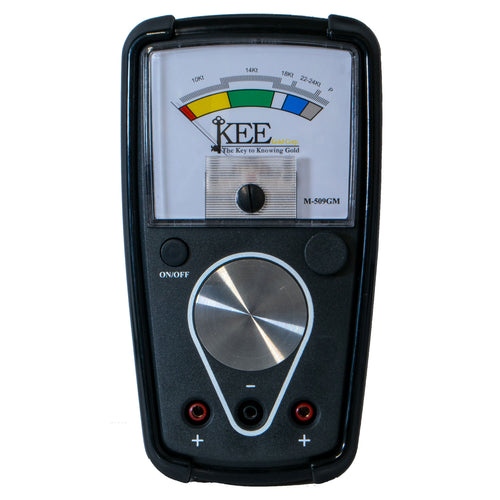
KEE electronic gold tester (model M-509GM)
![]()
- Regular price
- £349.00
- Sale price
- £349.00
- Regular price
-
- Unit price
- per
Out of stock -
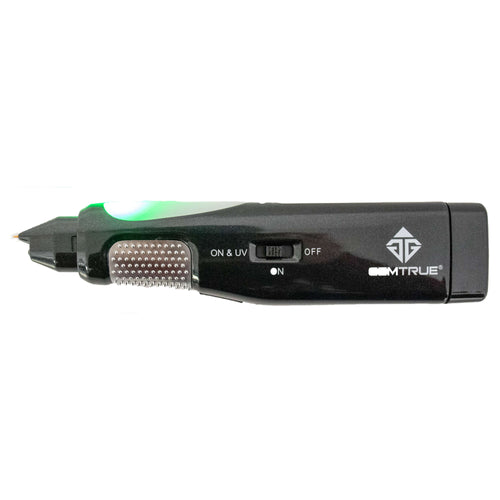
Multi tester for diamond, Moissanite, ruby, sapphire. Experior by Gemtrue
![]()
- Regular price
- £199.50
- Sale price
- £199.50
- Regular price
-
- Unit price
- per
Out of stock -
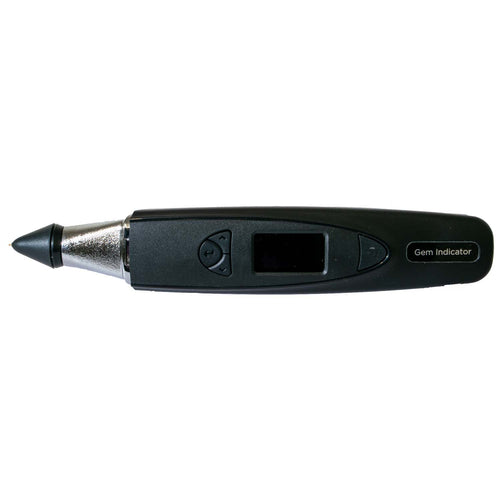
Handheld presidium gem tester +3x AAA batt (model PGI)
![]()
- Regular price
- £310.80
- Sale price
- £310.80
- Regular price
-
- Unit price
- per
Out of stock -
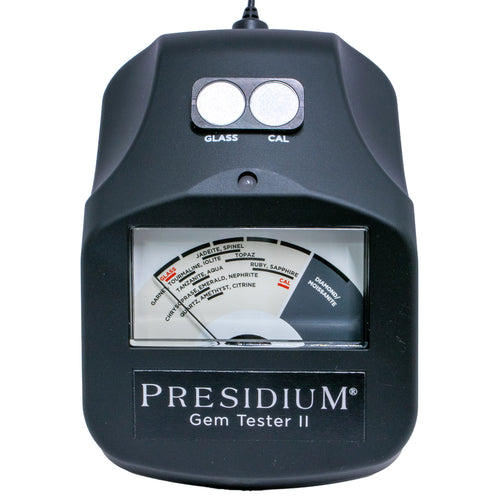
Standard Presidium Electronic Gem Tester (model PGT II)
![]()
- Regular price
- £279.00
- Sale price
- £279.00
- Regular price
-
- Unit price
- per
Out of stock -
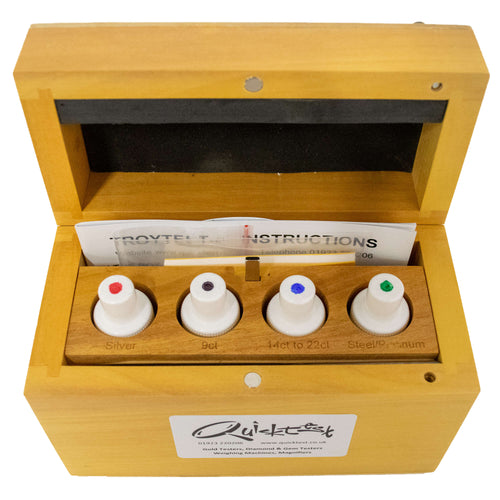
Troytest 4-bottle tester for gold, silver, platinum, white gold, palladium and steel
![]()
- Regular price
- £62.50
- Sale price
- £62.50
- Regular price
-
- Unit price
- per
Out of stock -
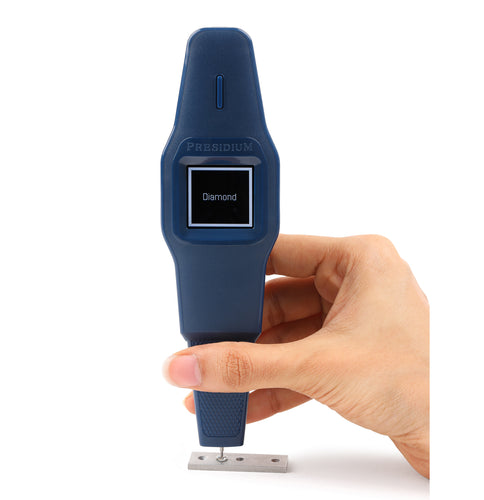
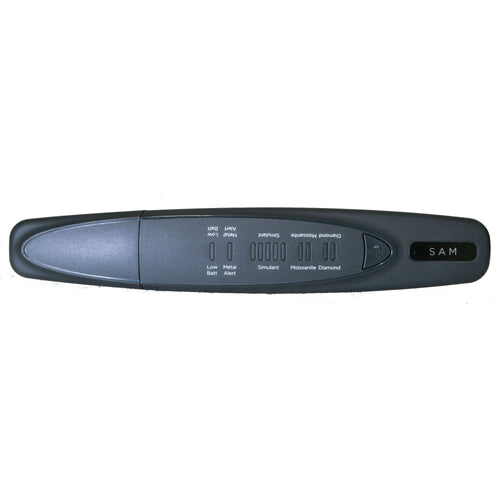
Ari synthetic diamond tester (Presidium) for natural/synthetic diamond + Moissanite
![]()
- Regular price
- £1,149.00
- Sale price
- £1,149.00
- Regular price
-
- Unit price
- per
Out of stock -
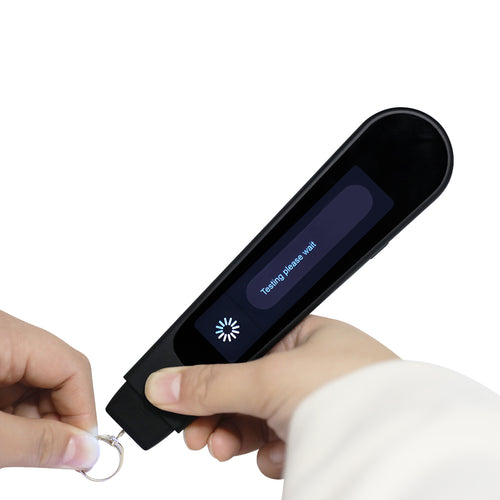
Arete synthetic diamond tester (Gemtrue) for natural/synthetic diamond + Moissanite
![]()
- Regular price
- £995.00
- Sale price
- £995.00
- Regular price
-
- Unit price
- per
Out of stock















Magnifiers
-
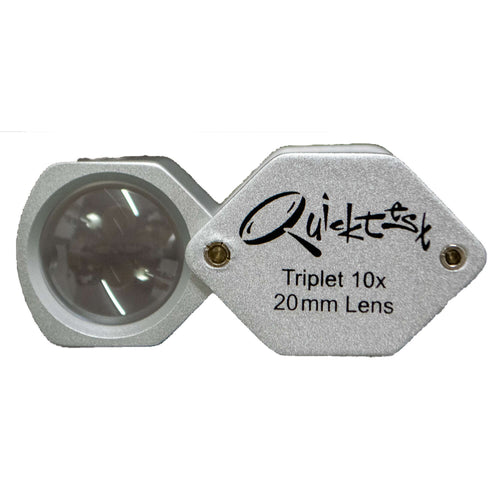
10X20 lightweight hexagonal triplet loupe, best large loupe (bar Zeiss)
![10X20 lightweight hexagonal triplet loupe, best large loupe (bar Zeiss) - Photograph 4]()
- Regular price
- £29.50
- Sale price
- £29.50
- Regular price
-
- Unit price
- per
Out of stock -
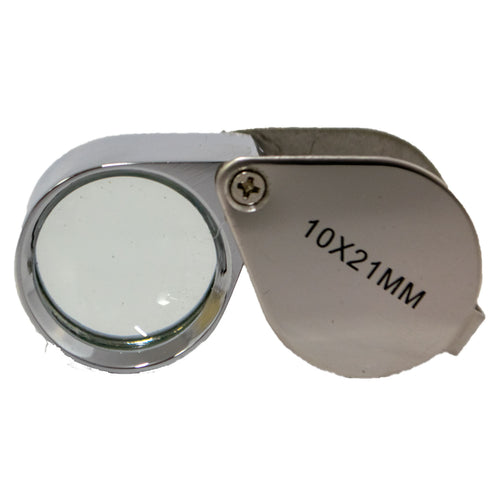
10X21 loupe, nice box, good bulk prices
![10X21 loupe, nice box, good bulk prices - Photograph 1]()
- Regular price
- £4.50
- Sale price
- £4.50
- Regular price
-
- Unit price
- per
Out of stock -
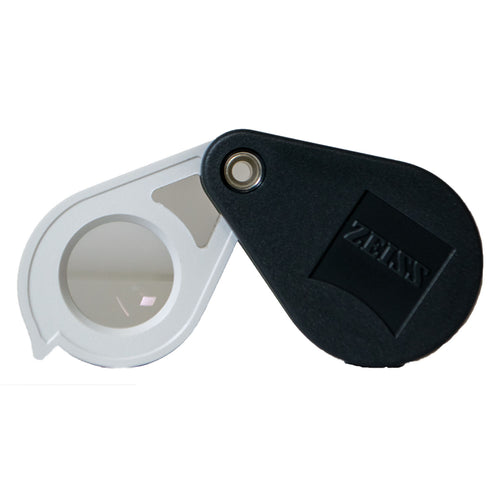
10X13 Zeiss Aplanatic-Achromatic 40D, best of all the small loupes
![10X13 Zeiss Aplanatic-Achromatic 40D, best of all the small loupes - Photograph 1]()
- Regular price
- £89.00
- Sale price
- £89.00
- Regular price
-
- Unit price
- per
Out of stock -
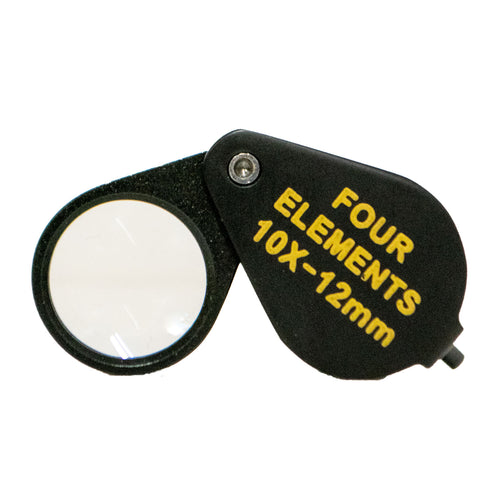
10X12 4-element loupe (best 10X12)
![10X12 4-element loupe (best 10X12) - Photograph 4]()
- Regular price
- £17.50
- Sale price
- £17.50
- Regular price
-
- Unit price
- per
Out of stock








Precision Scales
-
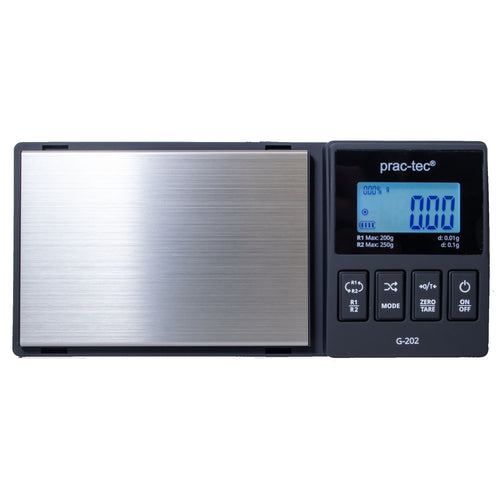
200g/0.01g + 250g/0.1g, PRAC-TEC G-202
![]()
- Regular price
- £79.50
- Sale price
- £79.50
- Regular price
-
- Unit price
- per
Out of stock -
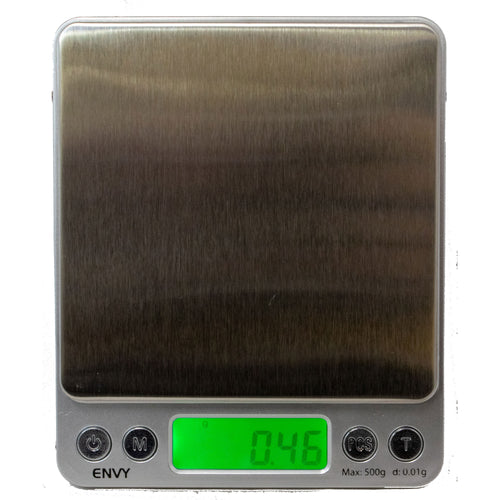
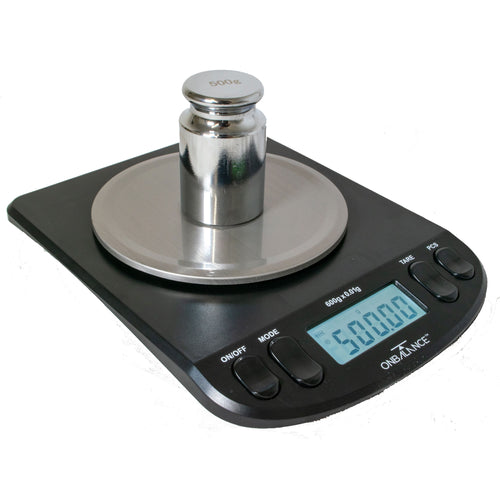
500g / 0.01g On Balance ENVY Digital Mini Scale
![]()
- Regular price
- £20.00
- Sale price
- £20.00
- Regular price
-
- Unit price
- per
Out of stock -
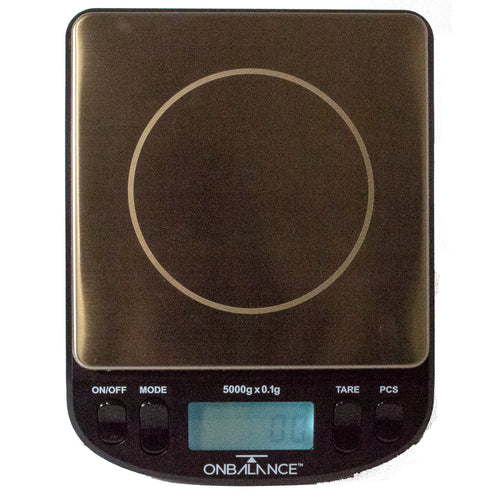
Slimline table balance for gold and silver, 5Kg / 0.1g + Troy 0.01ozt / 160ozt
![]()
- Regular price
- £49.50
- Sale price
- £49.50
- Regular price
-
- Unit price
- per
Out of stock -
Slimline table balance 600g / 0.01g for gold + lightweight silver + gemstones
![]()
- Regular price
- £52.50
- Sale price
- £52.50
- Regular price
-
- Unit price
- per
Out of stock









Precious Metal and Gem Testing
Our testers are used by:
• Most pawnbrokers, jewellers and auction houses including Harvey & Thompson, Cash Converters, Cash Generator, Posh Pawn and Costco.
• The Birmingham Assay office (they use the TROYTEST for training members of the trade).
• Most professional antiques traders, many workshops, some museums and laboratories.
• Many thousands of part time antiques traders and collectors.
In addition to buying online from us, you can buy our gold testers over-the-counter at the jewellery equipment wholesalers in Hatton Garden and Hockley.
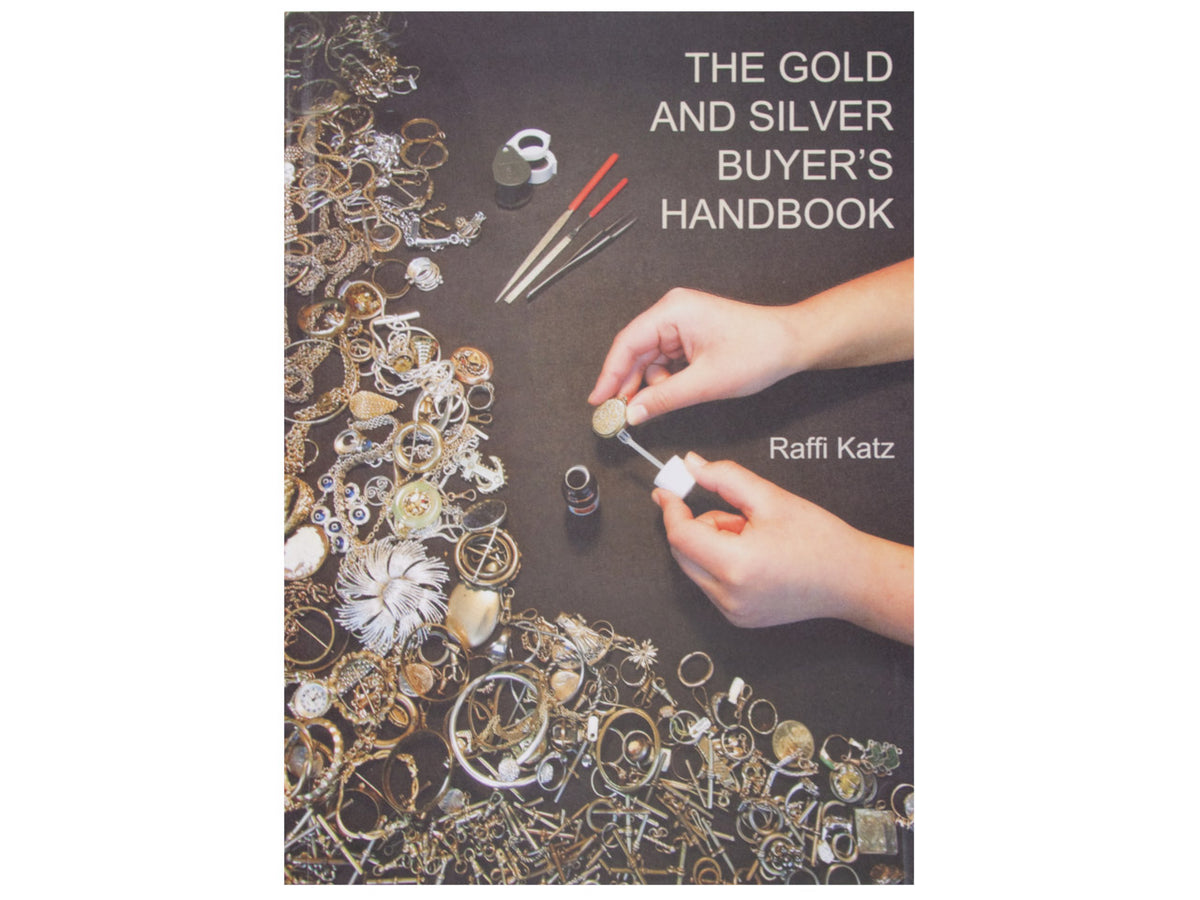
The Gold and Silver Buyer's Handbook, published by QUICKTEST.
The Gold & Silver Buyer’s Handbook is the ‘bible’ of how to test, buy and sell precious metals - from collecting and part-time dealing, to working with scrap and jewellery in large companies.
Quicktest Manufactures the Troytest and Quicktest chemical testers for gold and silver (the Troytest also distinguishes platinum, Palladium and steel).
QUICKTEST imports electronic testers for gold, and also optical and electronic testers for diamonds and gemstones
QUICKTEST stocks the largest selection of magnifiers in the UK.
QUICKTEST has a good range of jewellery scales, jewellery books, UV lights...even magnets.